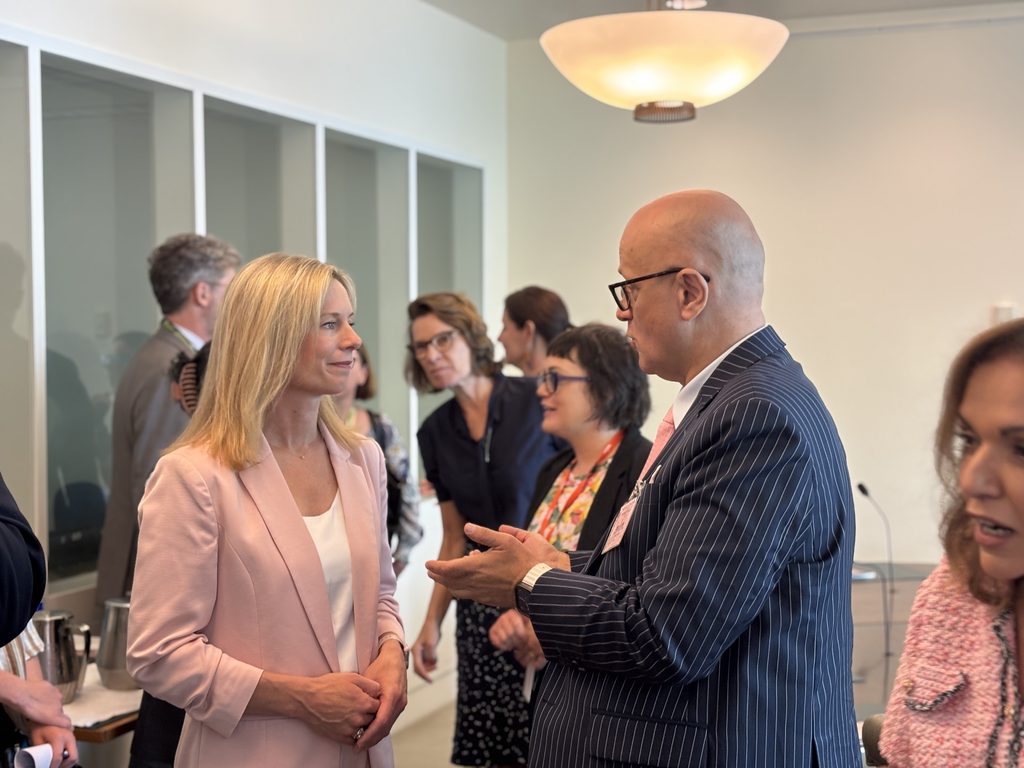
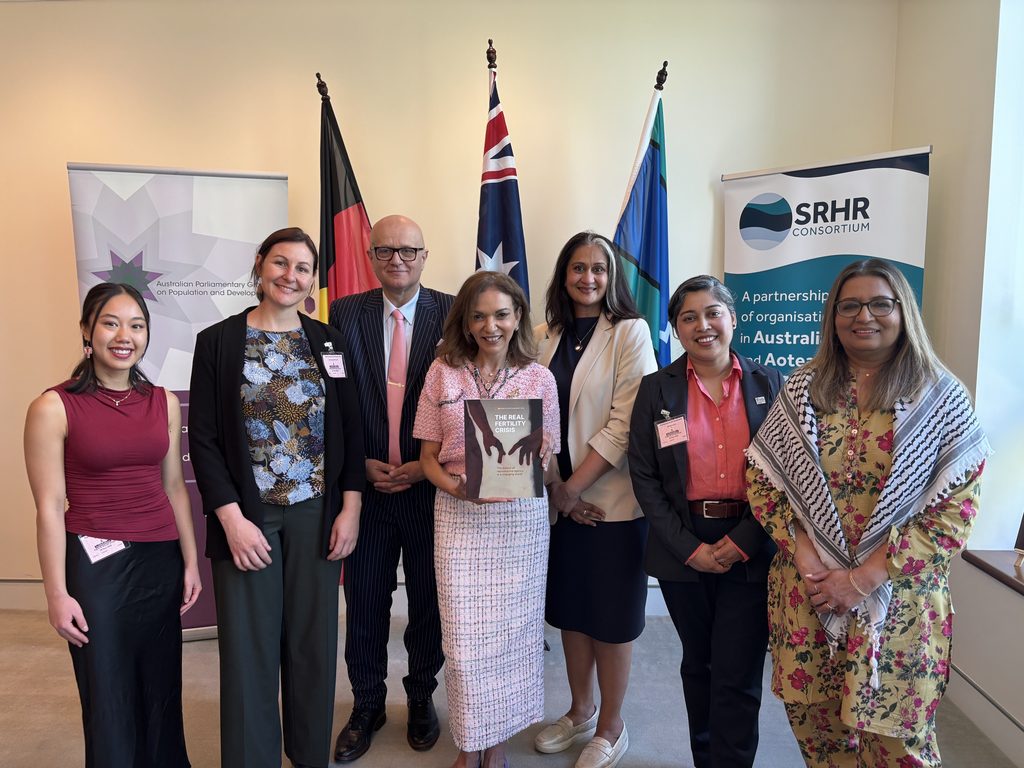
On Monday, November 24, the APGPD hosted the United Nations Population Fund (UNFPA) to launch their 2025 State of World Population Report. This event was held alongside the commencement of the global campaign, 16 Days of Activism against Gender-Based Violence.
The report, titled ‘The Real Fertility Crisis: The Pursuit of Reproductive Agency in a Changing World,‘ highlights that the real population crisis isn’t about numbers but about personal agency. It’s about whether people can make free and informed choices about their bodies and futures. We had a remarkable lineup of speakers guiding us through the key themes of both the report and the campaign:
- The Hon. Dr. Anne Aly MP,
Minister for Small Business, International Development, and Multicultural Affairs; - The Hon. Ged Kearney MP,
Assistant Minister for Social Services and the Prevention of Family Violence; - Dr. Aleksandar Bodiroza,
UNFPA Regional Director for Asia and the Pacific, ad interim; - Ms. Bidisha Pillai,
Director and Representative of UNFPA Pacific Island Countries; and - Senator the Hon. Dr. Mehreen Faruqi,
Co-Chair of the APGPD
The presentations were followed by a Q&A and discussion.
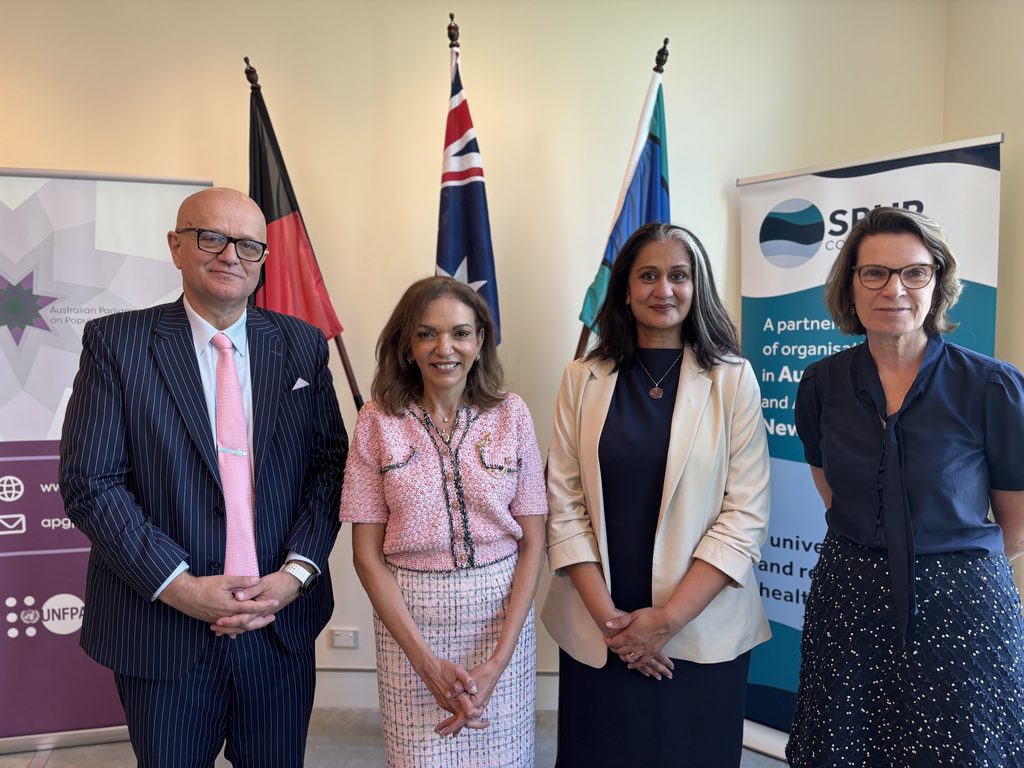
The Hon. Dr. Anne Aly MP
Minister Anne Aly opened the discussion with a deeply personal reflection as a survivor of gender-based violence and someone who has witnessed Sexual and Reproductive Health and Rights (SRHR) challenges in her community. Professionally, she emphasised that gender equality must remain front and centre in government decision-making. Minister Aly highlighted the importance of personal agency and choice, noting that global SRHR is under threat due to funding reductions. The Minister reassured attendees that Australia has not decreased its Official Development Assistance (ODA) and has invested a record $5.1 billion this year, with SRHR as a key focus. Partnerships, including collaboration with UNFPA, MSI, and IPPF in Southeast Asia and the Pacific, are central to Australia’s development work. She stressed that SRHR is inextricably linked to economic participation, social cohesion, and wellbeing, and encouraged submissions to the Joint Standing Committee on Foreign Affairs, Defence and Trade new Inquiry into gender equality as a national security and economic security imperative.
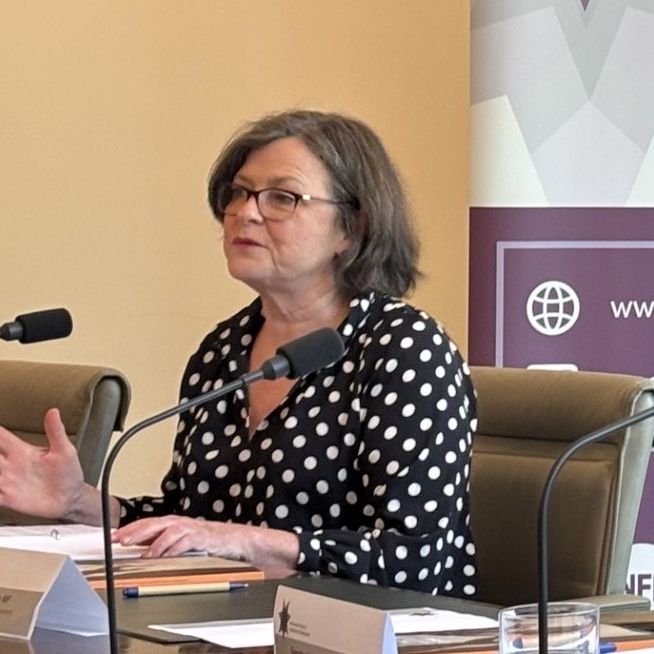
The Hon. Ged Kearney MP
Assistant Minister Ged Kearney outlined recent landmark initiatives introduced to improve access to reproductive health in Australia. These include expanding access to abortion medications, reducing the cost of long-acting reversible contraceptives (LARCs), and adding new contraceptive pills to the PBS for the first time in 20 years. She also highlighted the introduction of the ‘socially infertile’ definition, which broadens access to fertility treatment for LGBTQIA+ individuals and women undergoing cancer treatment. Assistant Minister Kearney noted that the government has invested $4 billion in women’s health to date, with a shift from crisis response to prevention and a stronger focus on engaging men and boys in primary prevention. She also addressed the impact of technology on Gender Based Violence prevention and youth engagement, calling for a collective and active effort across sectors to end gender-based violence.
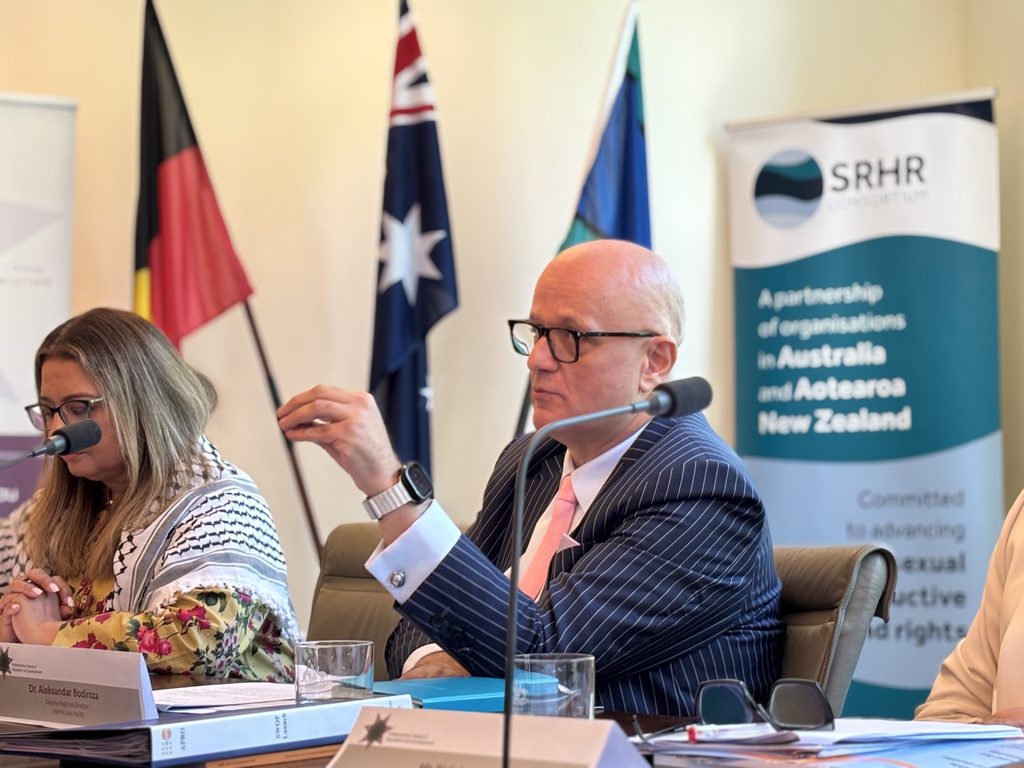
Dr. Aleksandar Bodiroza
Dr. Aleksandar Bodiroza, the new UNFPA Regional Director for Asia and the Pacific (a.i.), talked about how changes in populations can affect global policies. He emphasised that everyone should have the right to make decisions about their own reproductive health. Dr. Bodiroza also mentioned that focusing on human rights is key to creating strong, fair, and peaceful communities. He praised Australia for its ongoing support in sexual and reproductive health and rights (SRHR) and preventing gender-based violence (GBV). Investing in SRHR is essential for health and also contributes to building stable and equal societies.
Ms. Bidisha Pillai
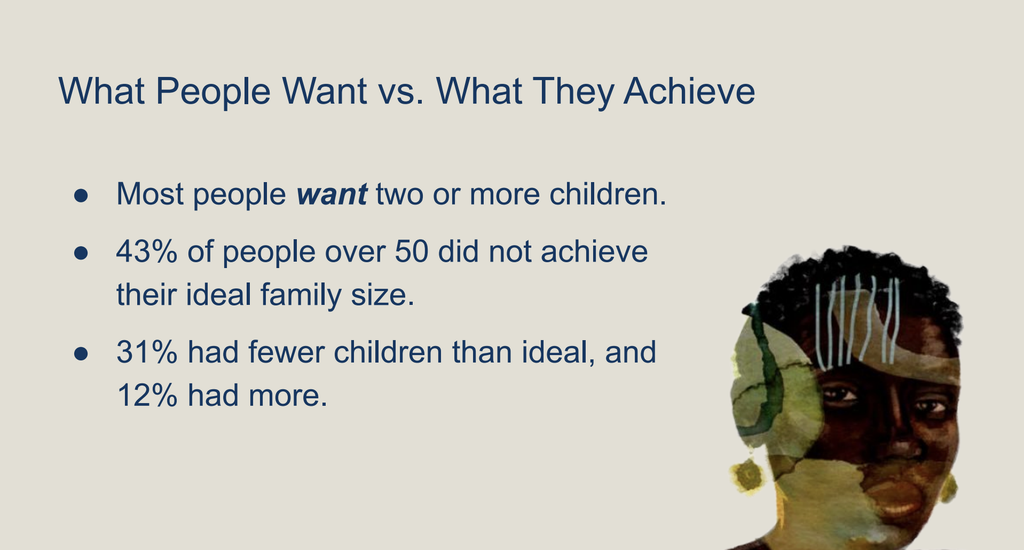
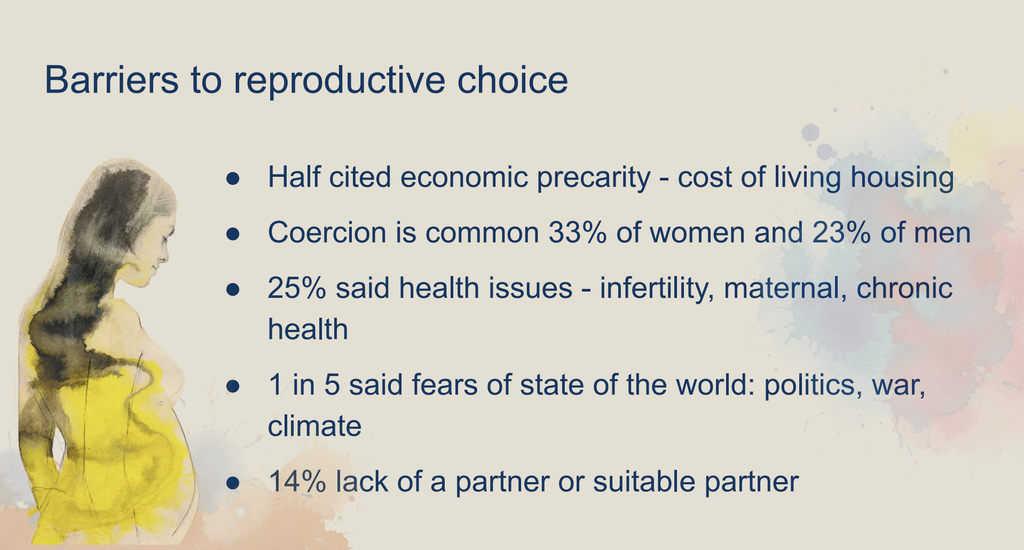
Bidisha Pillai, Director and Representative of UNFPA Pacific Island Countries, presented the main findings of the report, which revealed that 31% of respondents had fewer children than their ideal family size, 12% had more, and one in three experienced unintended pregnancies. Forty-three percent of people over 50 reported not achieving their desired family size. The report highlights the need to integrate health, welfare, and economic policies to realise reproductive rights and highlighted that men increasingly aspire to share caregiving responsibilities. Where policy environments support choice rather than coercion, people are more likely to achieve their fertility goals. She linked these issues to the ICPD Programme of Action, noting that while progress has been made, many challenges remain, particularly for young people.
You can view the full presentation here.
Senator Mehreen Faruqi
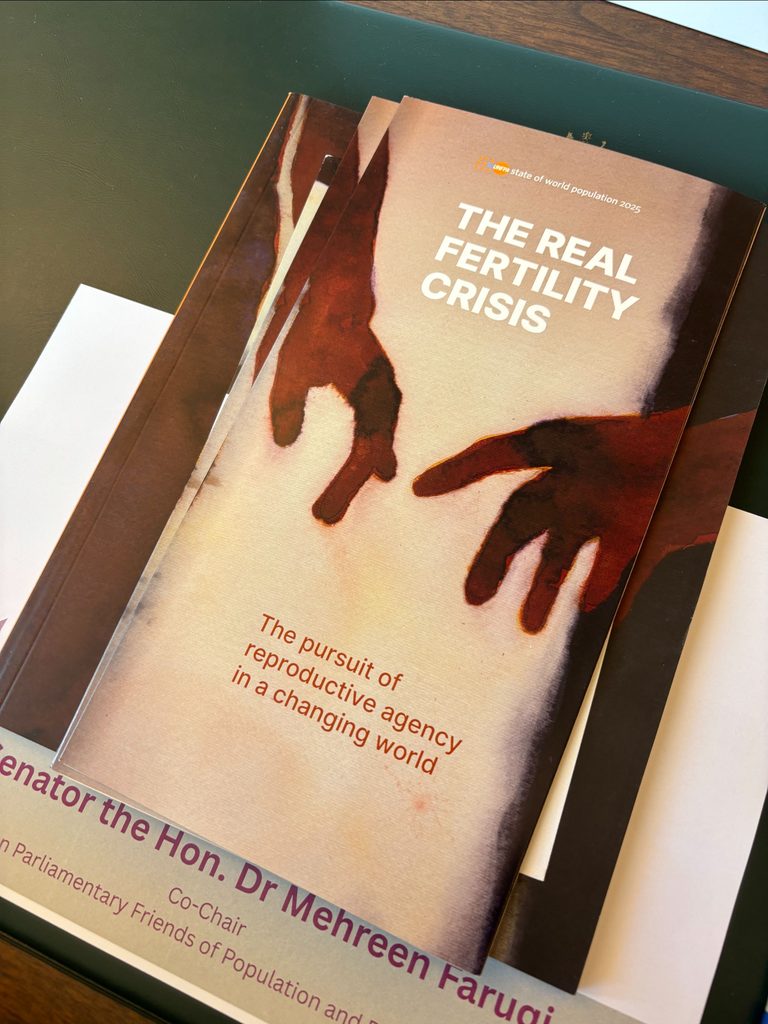
Closing the event, Senator Mehreen Faruqi reminded us that the real fertility crisis is not about numbers—it is about agency. She called for SRHR to be protected as non-negotiable and urged Australia to be louder and bolder in global advocacy. Senator Faruqi emphasised the need for an intersectional, feminist, and anti-racist lens in all efforts to advance gender equality.
This discussion underscored that SRHR and gender equality are under global threat, but Australia is stepping up with record investments and strong partnerships. Rights-based approaches and collective action remain critical to ensuring that every individual can exercise choice and agency in their lives.